

Challenges: Over-fishing and deforestation/wood poaching of indigenous tree species within Lake Malawi National Park (LMNP).
HEEED solutions
Over-fishing: evaluate the effectiveness of 100m. no-fishing zone in the waters of LMNP and in front of the villages of Nankumba Peninsula.
Aquaculture: fish-ponds are alternative method to provide fish/protein in rural communities, while allowing native species in the wild to recover.
Deforestation in Lake Malawi National Park
Fuel briquettes made from organic waste: a tried and tested alternative to wood fuel.
Mud-stoves: inexpensive, fuel-efficient alternative (using 50% mud and 50% vetiver grass) that uses only 1/3 of wood fuel, is well adapted to fuel briquettes – compared to traditional and wasteful 3-stone open fire. As part of ongoing collaboration with Chembe Secondary School, in 2023, HEEED donated 2 mud-stoves to the girl’s dormitory and keep the kitchen supplied with 70 weekly fuel briquettes made by 10 students from the same school at the NYCOM-HEEED CENTRE.
Environmental education: use of fuel briquettes in cooking demonstrations, collection of different organic fibres for paper-making, after-dark environmental education video shows and pamphlets.
Tree-planting: tree-seedling nurseries of indigenous species and fruit trees for school yards/domestic use.
Waste Management
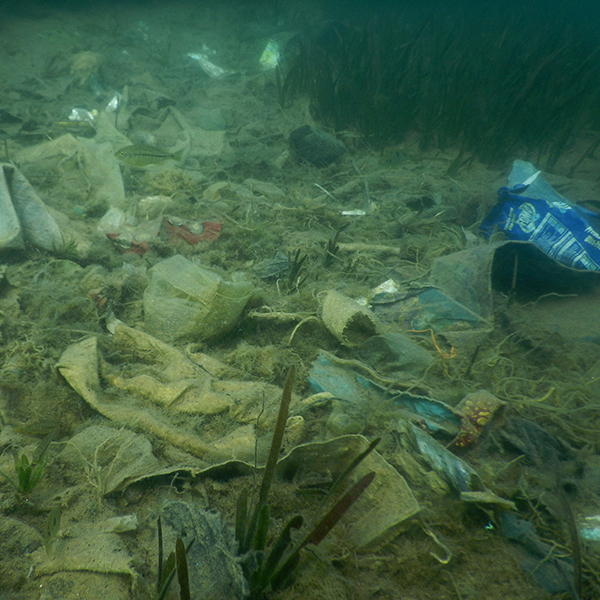
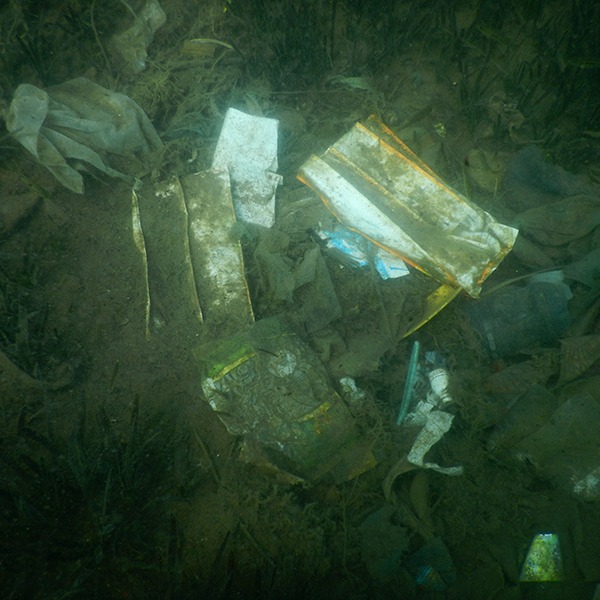
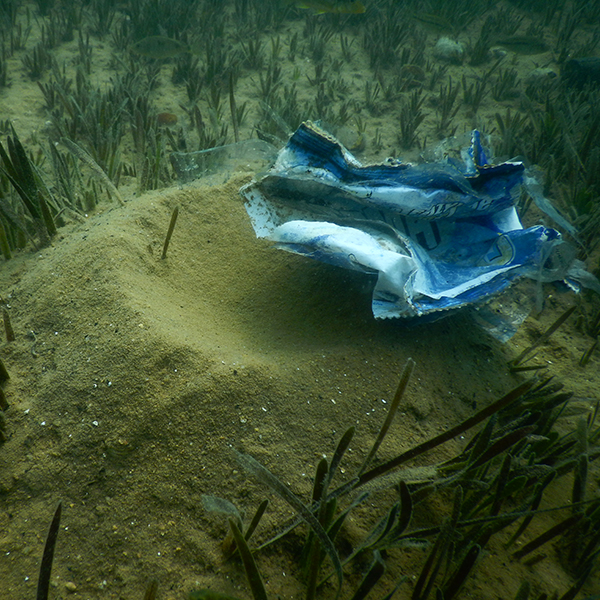
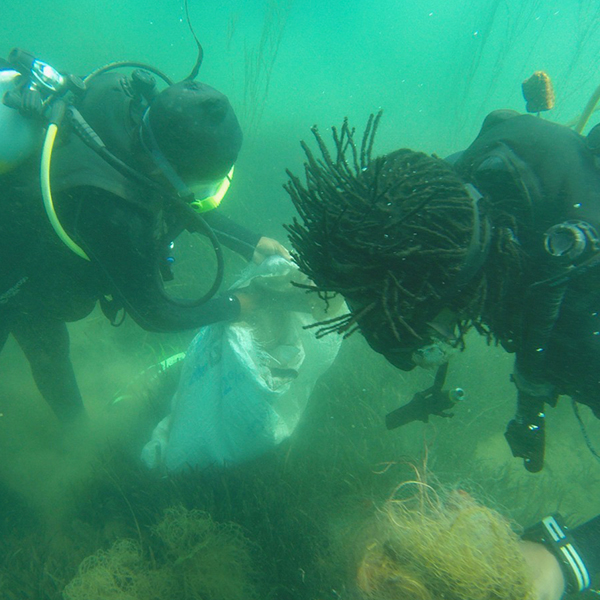
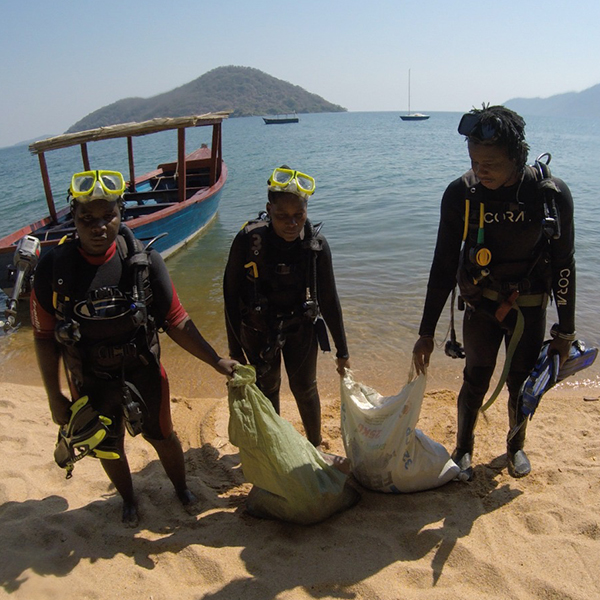
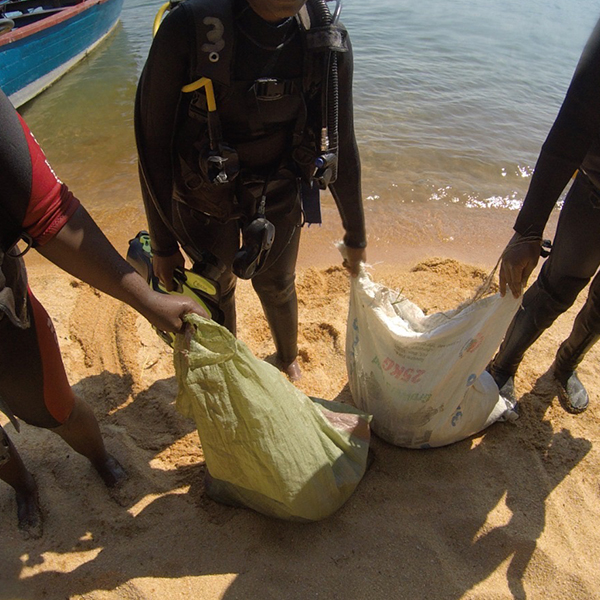
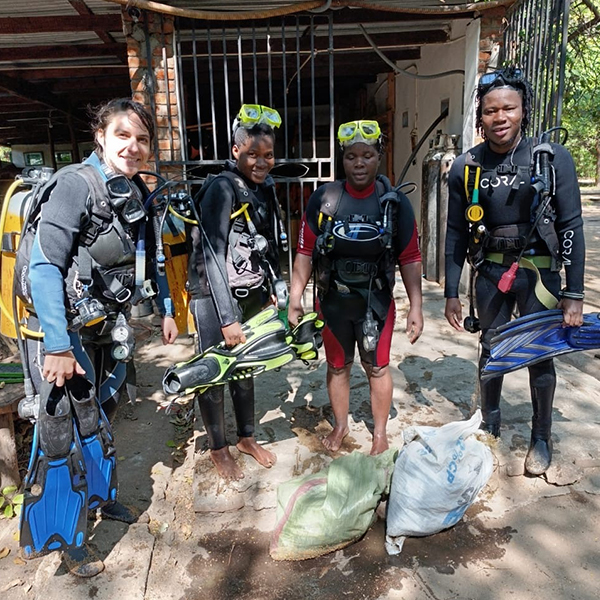
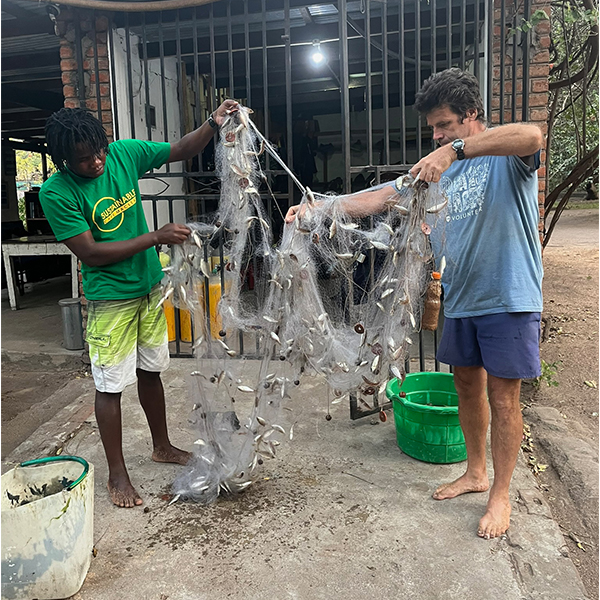
Under the waters of Lake Malawi lies a huge amount of garbage, which negatively impacts on the health of the ecosystem: by covering plants in the nursery grounds of young fish, by covering the male courtship sites – thus reducing and eliminating fish from breeding. Also human and animal health is negatively impacted by the microplastics created by decomposing waste in the water. Furthermore, this unsightly underwater waste ruins the tourist experience in LMNP. The only way to eliminate this waste is by Scuba divers physically removing it by hand. HEEED divers have been removing underwater waste for many years.
Solution to Underwater Waste Management
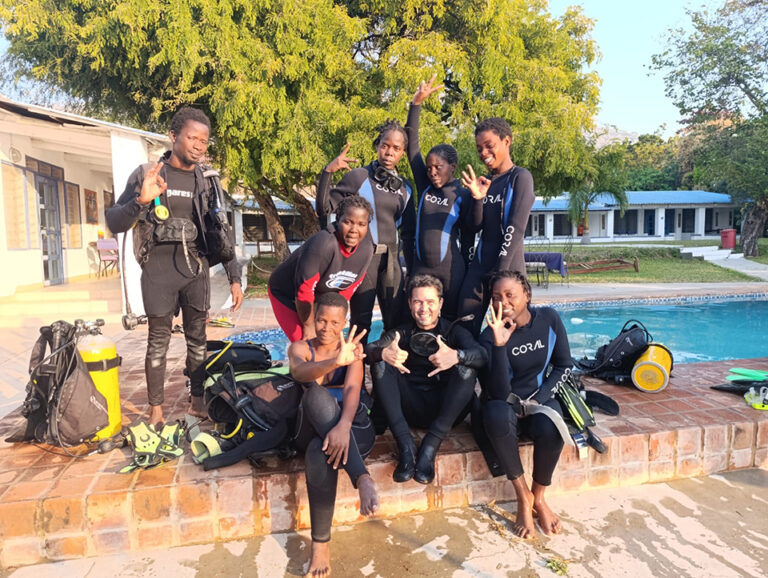
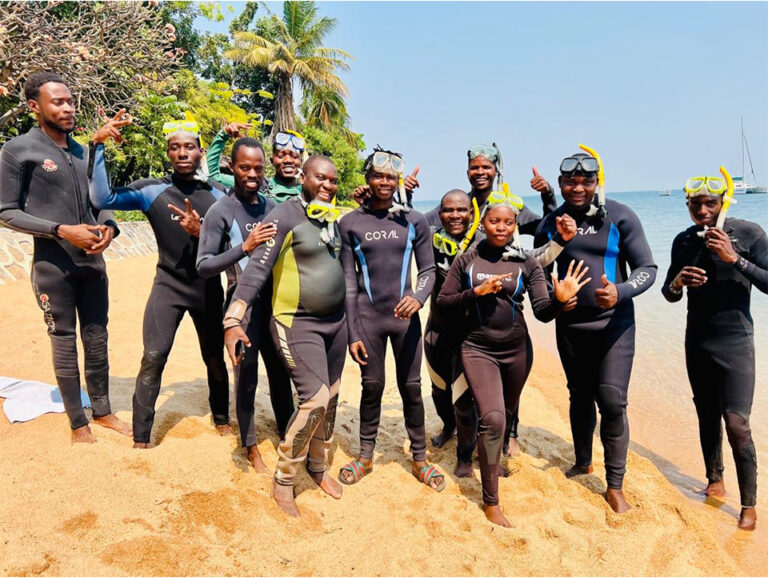
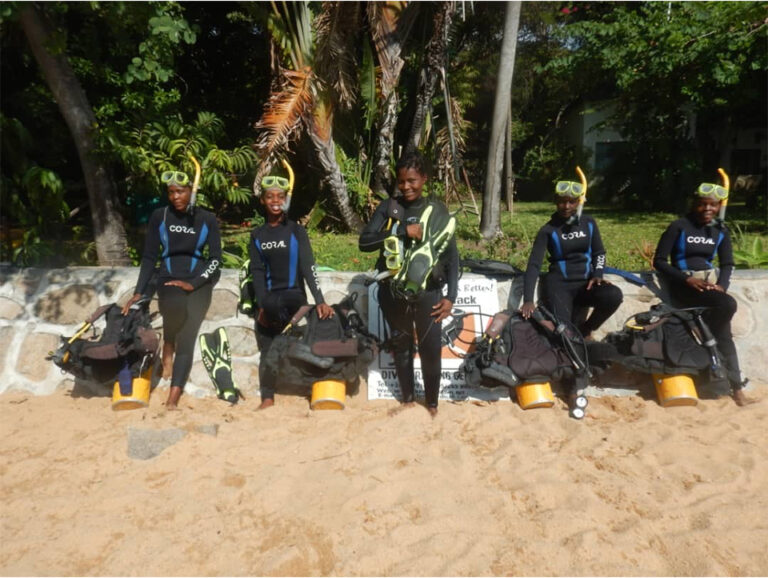
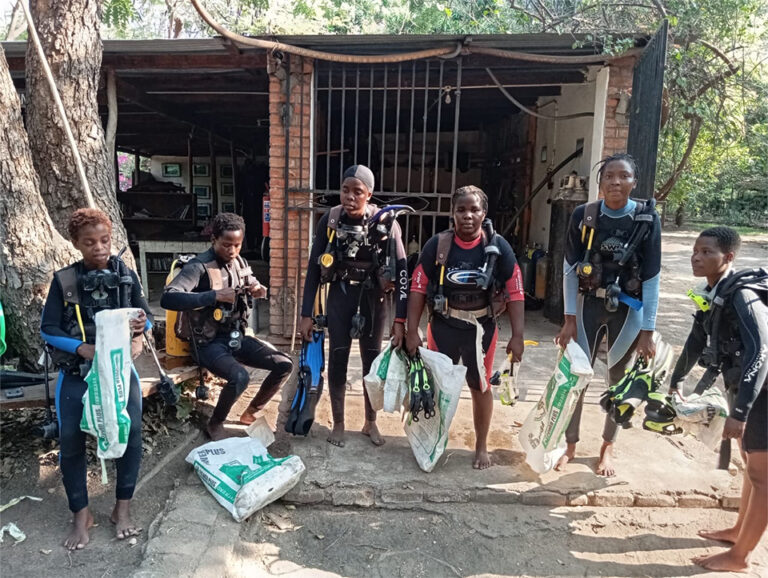
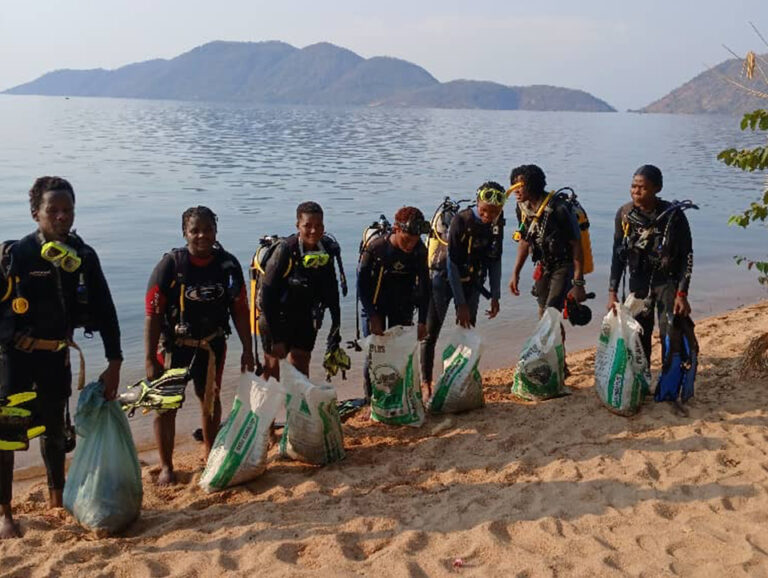
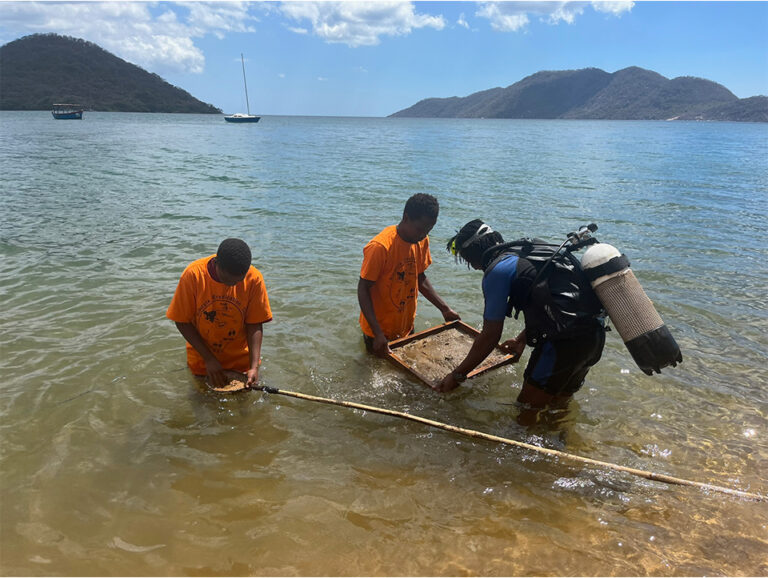
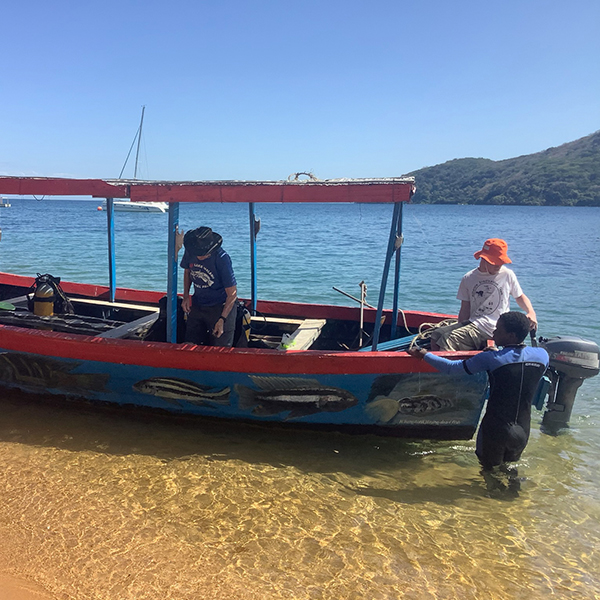
One solution is the training of more scuba-divers to remove this unsightly and unhealthy material from the lake. HEEED Consultants and HEEED staff in August trained 10 scuba divers: 1 HEEED staff member, 7 women from Chembe village, and two National Parks rangers – to become certified PADI divers. All of them now have part- time jobs with HEEED or full- time positions with Malawi National Parks. Hundreds more young people should be trained throughout Malawi to remove as much waste material as possible – both underwater and on land – to prevent an ecological catastrophe.
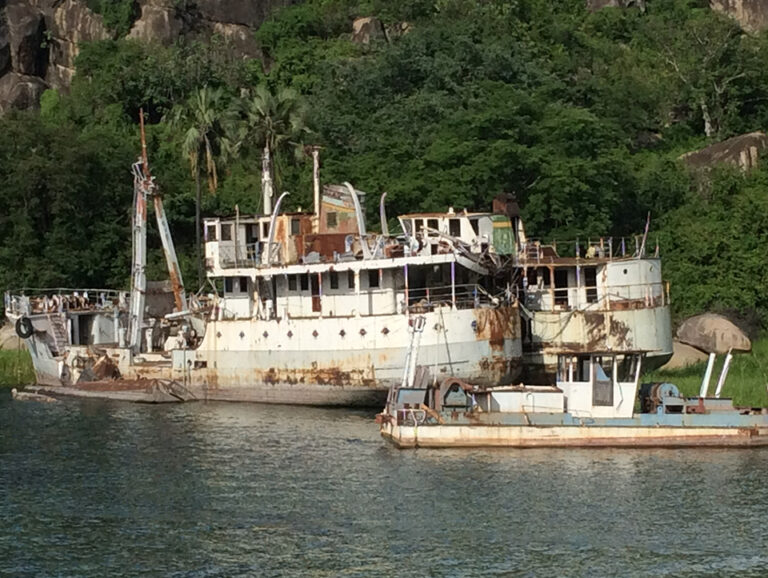
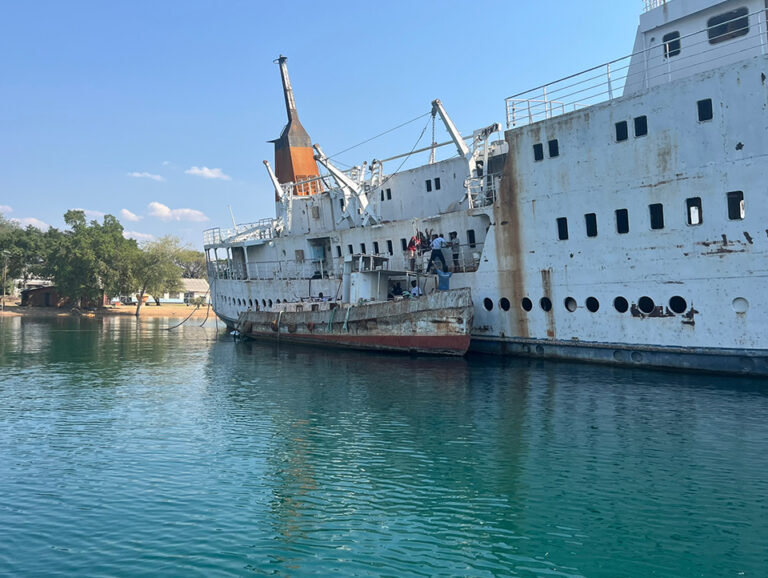
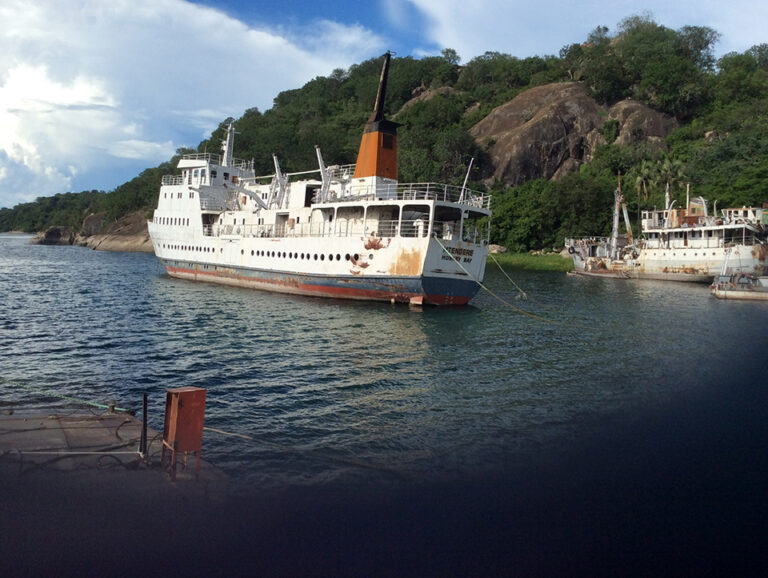
During the exploration of LMNP, the 3 consultants concluded that the greatest pollution threat to the Lake are the decommissioned boats remaining in Monkey Bay that are either sunk or sinking. These boats all need to be cleaned, removed and perhaps used as artificial reefs to attract tourists and enhance fisheries. The greatest threat of all is the listing MV Mtendere. It is filling with water and should it capsize on to its side – it will be impossible to remove economically. HEEED is working with the Government of Malawi to find solutions to this problem that would enhance economic prosperity – rather than an ecological catastrophe.
Creative Recycling
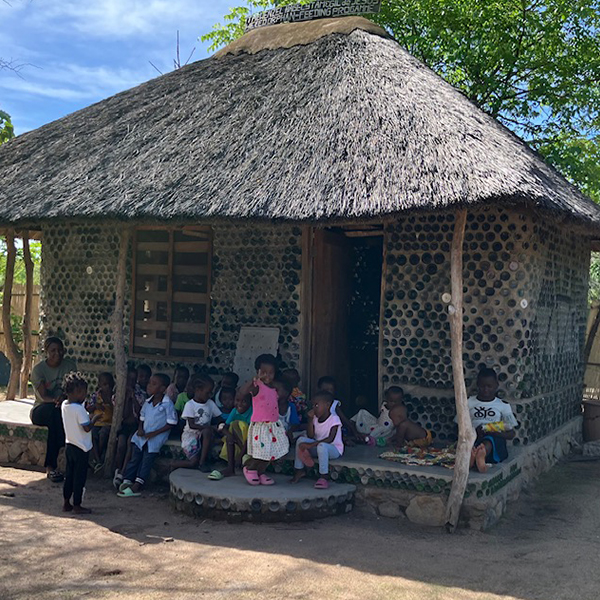
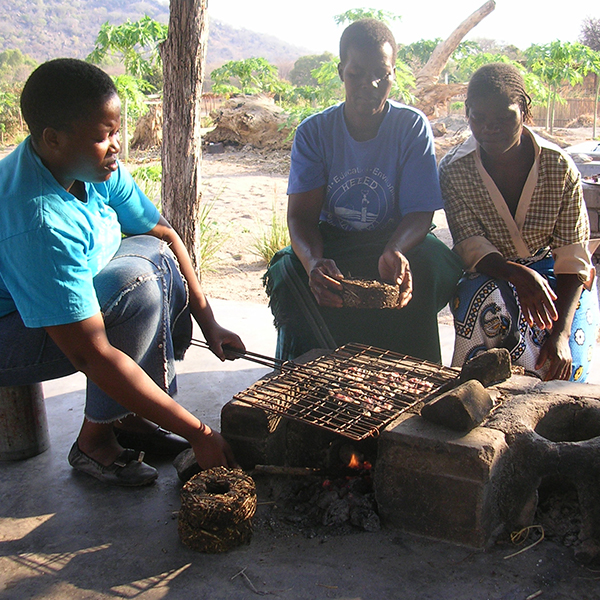
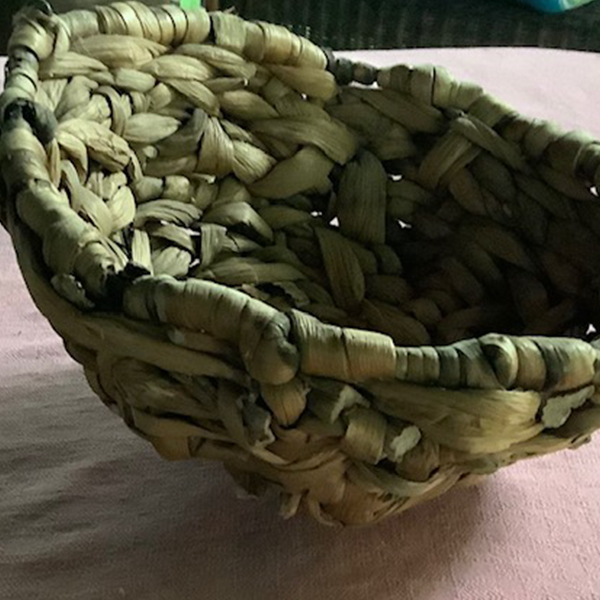
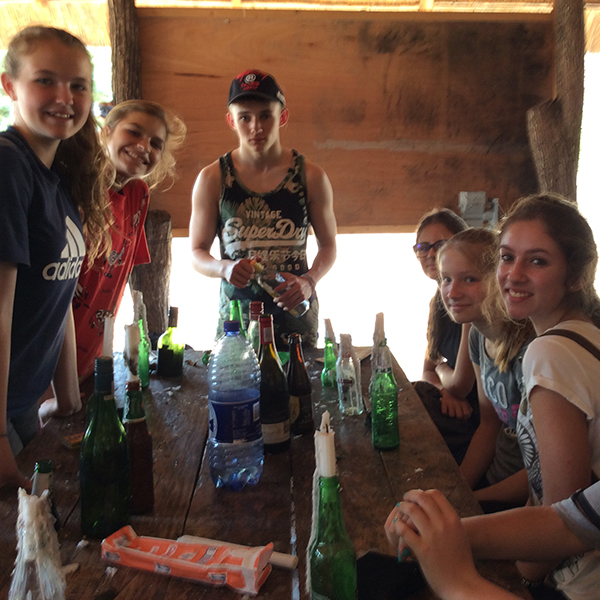
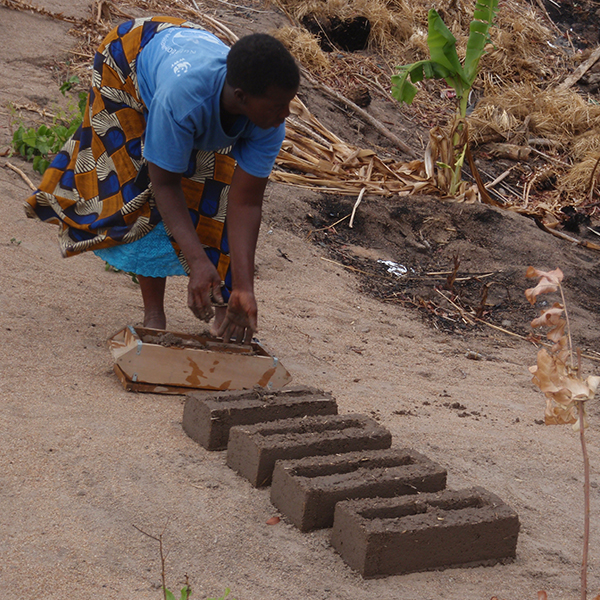
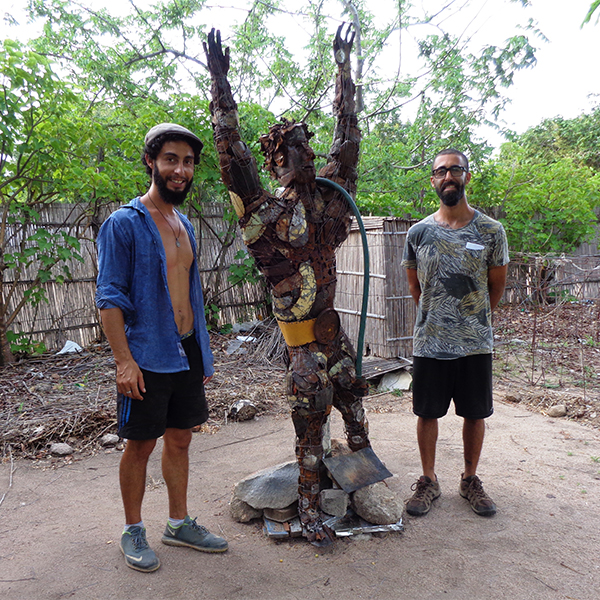
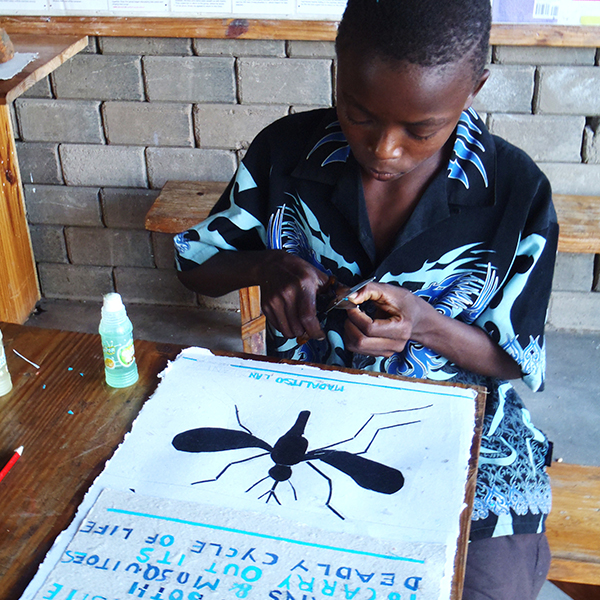
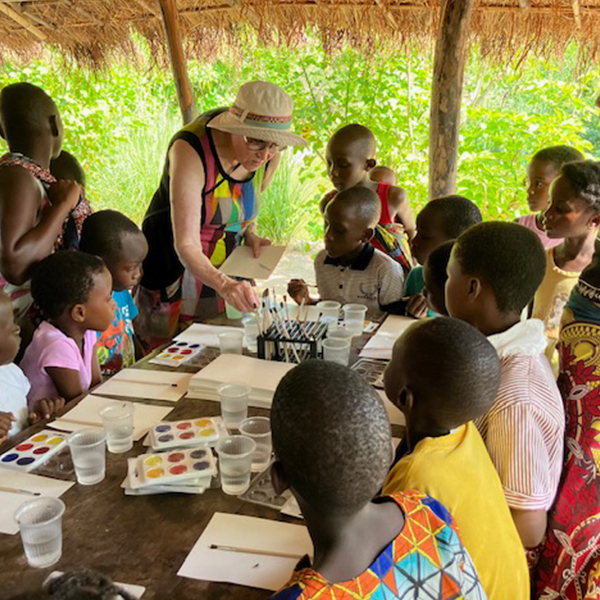
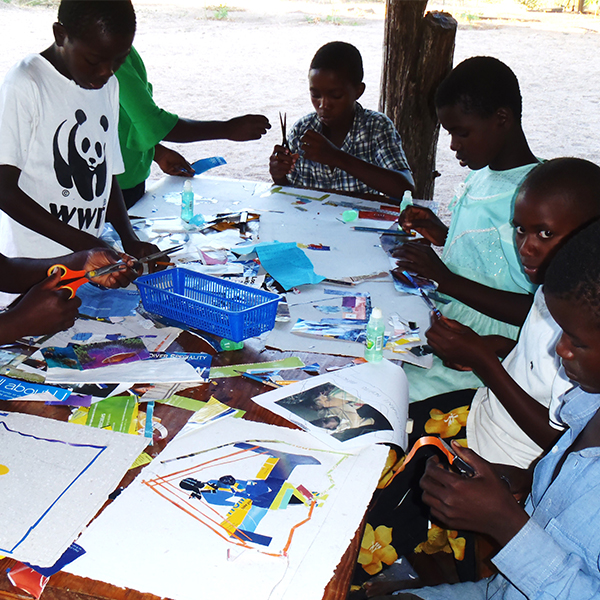
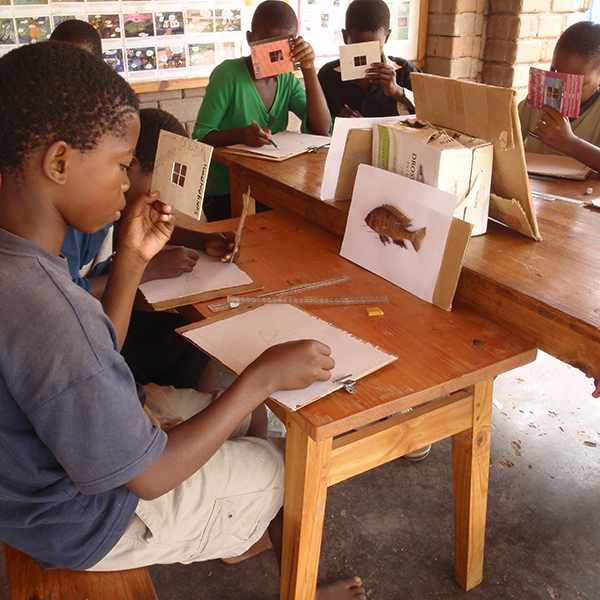
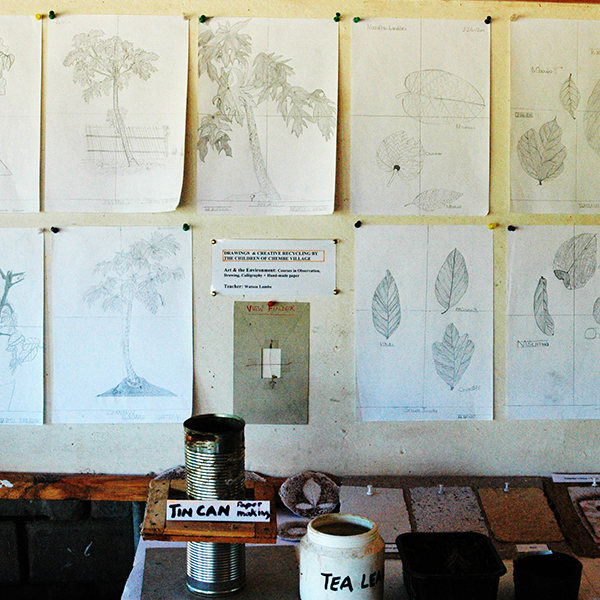
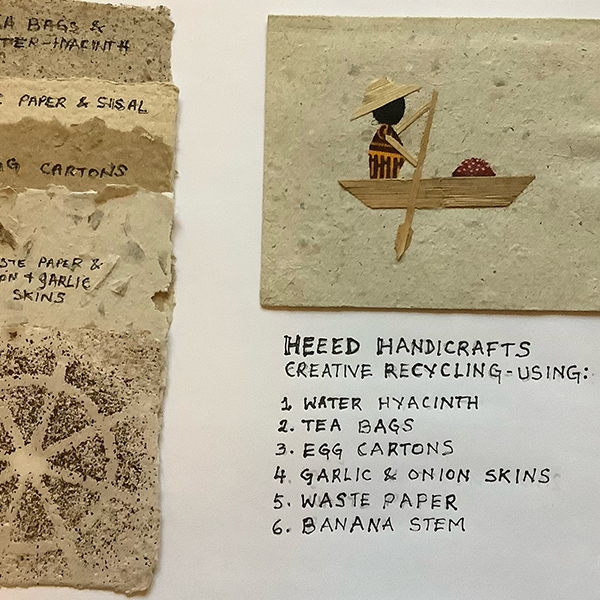
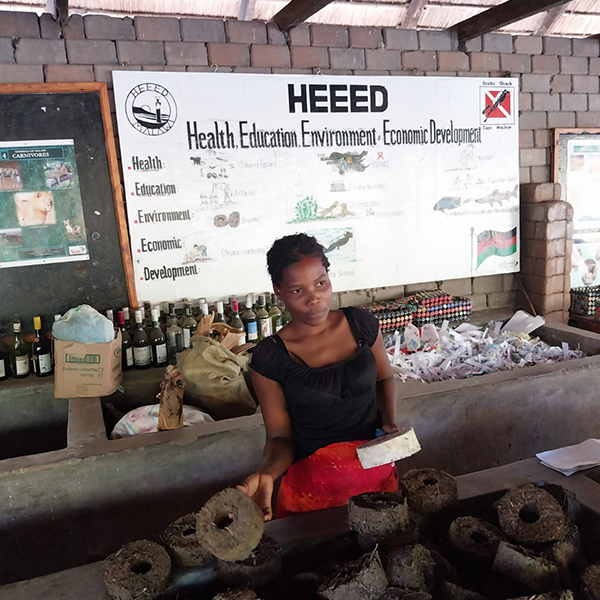
Malawi youth are the future stewards of LMNP and need to be trained to observe their natural surroundings, understand their relationship with their environment – thus enabling them to take care of a garden in their primary schools/homes. Youngsters in Chembe village, in the unique environment of LMNP, have also learnt the art of drawing fish and indigenous leaves. They have also learnt how to recycle waste onions skins, tea bags, waste paper and water-hyacinth into decorative card, books and baskets. In addition, they have learnt how to convert waste bottles into glass tumblers and waste bottle-tops into bags. HEEED also built a bottle-house for pre-school youngsters as a class-room and play area.
To this end, both international volunteers and the HEEED team have developed an Educational Programme at the NYCOM-HEEED Centre. This includes producing 2 mudstoves and supplying briquettes to the local secondary school in Chembe, as well as water-hyacinth baskets made from this invasive plant brought by the British to decorate their ponds many years ago! HEEED is also trying to train Malawi youth to grow vegetables and fruit, instead of relying on growing maize – another colonial legacy left by the Portuguese 250 years ago!
